

Pollen allergy in dogs: Recognize symptoms and provide natural support
Tanja WeinandIn this article, you'll learn how to recognize a pollen allergy in dogs, which symptoms are typical, and how you can support your dog during pollen season. Common signs include itching, skin redness, watery eyes, and intensive paw licking, especially in spring and summer. The article also explains the role that gut health, the skin barrier, and the immune system play in allergies, and how natural ingredients such as nettle, black cumin, beta-glucans, propolis, echinacea, and omega-3 fatty acids can support the body during allergic reactions.
More and more dogs suffer from pollen allergies, also known as hay fever in dogs. Especially in spring and summer, many four-legged friends are sensitive to flower pollen, grasses, or herbs.
So-called atopic allergy is one of the most common skin conditions in dogs. In this condition, the immune system overreacts to environmental substances that are actually harmless. This can lead to severe itching, skin inflammation, and general discomfort.
Typical symptoms of a pollen allergy
in dogs
Allergy symptoms in dogs often affect the skin, paws, eyes, and airways. Because pollen is inhaled from the air or picked up through the coat and paws, symptoms often appear in several places at the same time.
Typical signs of hay fever in dogs include:
- severe itching (pruritus)
- red or watery eyes
- frequent sneezing or an itchy nose
- skin redness on the belly, ears, or paws
- intensive licking or chewing of the paws
- hair loss on affected areas of skin
Many dogs also develop so-called hot spots: inflamed areas of skin that can result from intense scratching or licking.
Because different plants bloom at different times, symptoms often occur seasonally or in recurring waves.
How can you recognize a pollen allergy in dogs?
Not every skin irritation is automatically an allergy. Still, there are some typical signs that may point to a seasonal allergy in dogs.
Here's what to watch for:
- symptoms occur mainly in spring or summer
- your dog frequently rubs its nose or eyes
- paw licking increases after walks
- skin irritations or hot spots develop more quickly
- your dog seems restless or sleeps poorly
A veterinary allergy test can provide clarity. However, dog owners often recognize a pattern themselves when the symptoms appear at the same time every year.
Why the gut and skin play an important role in allergies
In allergies, the immune system, the skin barrier, and gut health interact closely.
The skin is the first protective barrier against environmental substances such as pollen. If this barrier is weakened, allergens can penetrate more easily and trigger inflammation.
The gut also plays a central role: around 70% of the immune system is located in the gut. A healthy gut flora can help regulate the immune system and reduce excessive reactions.
That's why modern dog nutrition for allergies often relies on:
- anti-inflammatory fatty acids
- antioxidant plant compounds
- immune-regulating herbs
- gut-supporting ingredients
Natural ingredients for support during allergies
Certain plant compounds and functional ingredients are traditionally used to support the body during allergic reactions.
Nettle
Nettle contains many minerals, secondary plant compounds, and antioxidants.
It can help to:
- regulate immunological reactions
- influence inflammatory processes
- support metabolism
Black cumin
Black cumin contains the active compound thymoquinone, which is known for its inflammation-regulating properties.
It can:
- influence allergic reactions
- modulate the immune response
- reduce inflammatory processes
Rose hip
Rose hips are rich in vitamin C and polyphenols, which have an antioxidant effect. They support:
- the immune system
- the protection of cells against oxidative stress
- inflammation-regulating processes
Plants containing quercetin
Quercetin is a secondary plant compound that is often described as a natural antihistamine.
It can:
- influence histamine release
- lessen allergic reactions
- have an antioxidant effect
Quercetin occurs naturally in various plants, such as apples, berries, or nettle. This plant compound can help influence histamine release and is therefore often used for nutritional support during allergic reactions.
Beta-glucans
Beta-glucans are bioactive polysaccharides, found in yeasts, mushrooms, and grains, among other sources. They are particularly interesting for immune regulation because they:
- influence the activity of macrophages and other immune cells
- support immune balance
- can regulate excessive immune reactions
As a result, they can help the immune system respond to environmental stimuli such as pollen in a more balanced way.
Propolis
Propolis, also known as bee glue, contains over 300 bioactive substances, including:
- flavonoids
- phenolic acid
- essential oils
These substances have:
- antioxidant properties
- antimicrobial effects
- inflammation-regulating effects
Propolis is therefore often used to support the immune system, skin, and mucous membranes.
Echinacea (coneflower)
Echinacea contains several bioactive plant compounds, including:
- alkamides
- polysaccharides
- polyphenols
These can:
- stimulate the activity of immune cells
- support the body's own defenses
- regulate inflammatory processes
Echinacea is therefore traditionally used to stabilize the immune system during seasonal stress.
Omega-3 fatty acids for skin and the immune system
Omega-3 fatty acids play an important role in skin health and the regulation of inflammation.
The fatty acids EPA and DHA in particular can:
- strengthen the skin barrier
- reduce skin inflammation
- support immune balance
What can help with pollen allergy in dogs in everyday life
In addition to diet and herbs, simple measures can also help reduce your dog's exposure to pollen.
Helpful measures include, for example:
- rinsing the dog off after walks
- wiping the paws and belly
- washing dog blankets regularly
- going for walks early in the morning or after rain, when there is less pollen in the air
Support through nutrition
Since a large part of the immune system is located in the gut, a gut-friendly diet can help stabilize immune balance.
Certain herbal compounds, plant extracts, and fermented ingredients can:
- support the gut flora
- improve nutrient absorption
- regulate the immune system
👉 Our tip:
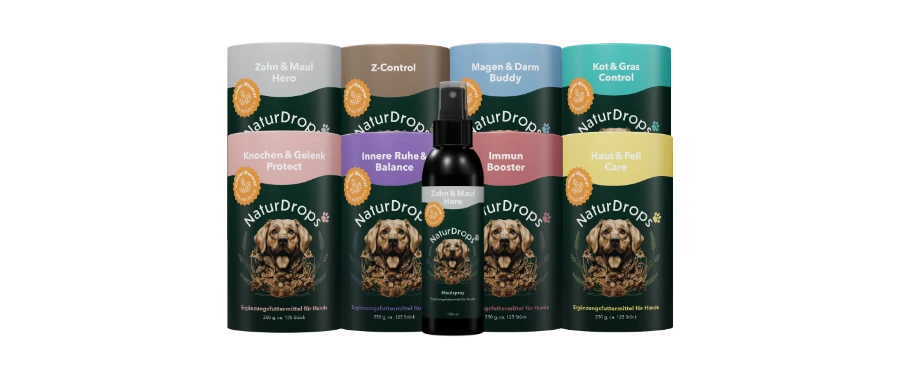
The functional snacks from NaturDrops contain, among other things, a fermented herbal macerate made from over 50 herbs, which is traditionally used to support digestion, gut health, and nutrient absorption. A stable gut flora can help better prepare the body for seasonal stresses such as pollen.

Conclusion: Recognize pollen allergy in dogs early
A pollen allergy in dogs can show itself through itching, skin irritation, and paw licking, especially during pollen season.
In addition to a veterinary diagnosis, functional nutrition, gut-supporting ingredients, and plant-based active ingredients can help stabilize the immune system and support skin health.

Quellen:


