

Tips to prevent hypothermia in dogs
Tanja WeinandHypothermia can set in faster than many people think – especially in wet and windy weather. Dogs can't speak, but their bodies send clear signals when they get cold.
Signs of incipient hypothermia
- Tremble
- Cold ears or paws
- Sustained stomach, hunched posture
- Dog seeks proximity to heat source
- Stiff movements
- Fatigue or slowed reactions
If the hypothermia becomes more severe, the circulatory system can be at risk – quick action is important here.
How to protect your dog from hypothermia
- Dry coat thoroughly after rain or snow.
- Possibly warm dog coats for short-haired breeds
- No long breaks outdoors in cold weather
- Provide warm places at night (blanket, basket, no cold floor)
- Protect your paws – they lose heat quickly.
- Adjust your walks (more frequent short walks are preferable to infrequent long walks)
Strengthening the immune system
A strong immune system not only protects against pathogens, but also helps to better cope with temperature fluctuations.
Herbs such as rosehip, echinacea, ginger and black cumin provide natural support.
Product tip:
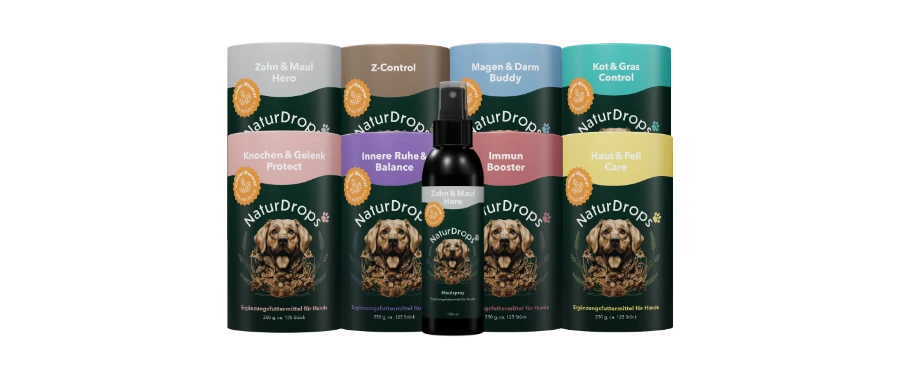
👉 Our immune booster snacks are perfect for supporting dogs daily during the cold season.


